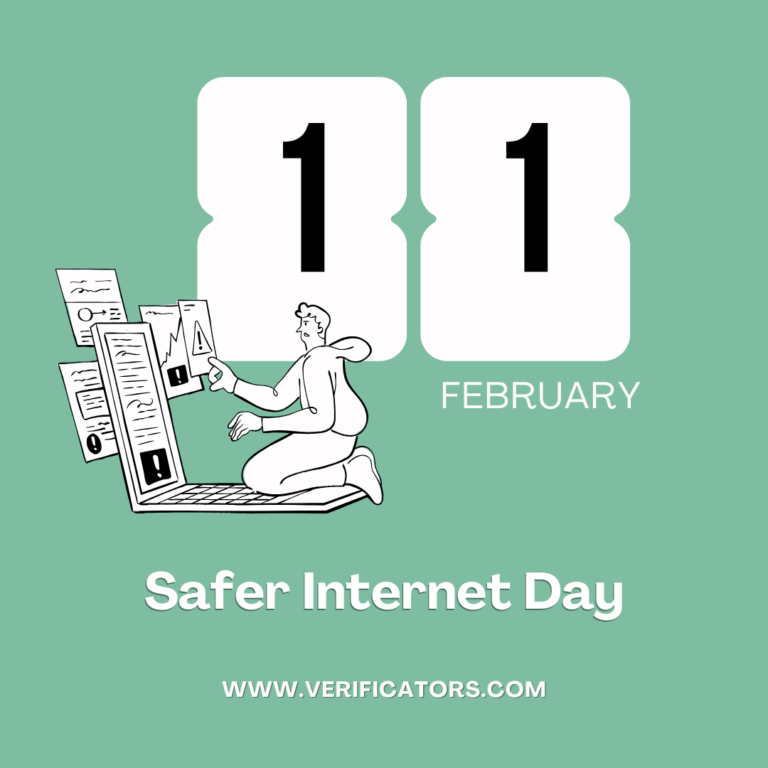
Safer Internet Day – 11 February is the perfect opportunity to remind us of the importance of protecting our data online. In the digital age, both businesses and individuals are vulnerable to cyber threats that can lead to financial loss, reputational damage or identity theft. In this era of widespread digitalisation, our lives are moving online, so it is worth taking the appropriate security measures to avoid unpleasant consequences.
Internet safety for companies
1. Protecting company data
Companies store vast amounts of sensitive data – from personal customer data to financial and strategic data. Leakage of such information can result in serious legal consequences, financial sanctions and loss of customer trust. Additionally, the exposure of trade secrets to unauthorised parties can lead to a loss of competitive advantage.
2. Cyber attacks and their consequences
Ransomware, phishing or DDoS attacks can paralyse a company’s operations. Today’s threats are increasingly sophisticated and can affect any company, regardless of size. One example is attacks on small and medium-sized companies, which often lack sufficient security, making them an easy target for cybercriminals. In addition to financial losses, organisations can also suffer reputational damage, which can result in the loss of customers and business partners.
3. The importance of a security policy
The implementation of an IT security policy, regular staff training, regular administration of IT systems and monitoring of sectoral regulations are all essential elements for compliance management. On a closer look, it is worth mentioning the use of multi-factor authentication (MFA), monitoring of the infrastructure with prevention and detection systems (IPS, IDS) and regular security testing.
Internet safety for private individuals
1. Data protection
In the age of social media, sharing private information can lead to identity theft. It is important not to publish sensitive data such as your PESEL number, home address, bank account numbers or payment card details. Online fraudsters often use this information for phishing and other crimes.
2. Avoiding online fraud
Cybercriminals are using increasingly sophisticated phishing methods. Beware of suspicious emails, fake online shops and overly attractive offers that may be a scam attempt. You should also pay attention to the correctness of website addresses, whether there are spelling mistakes or characters that only look like the original (homoglyphs).
3. Strong passwords and two-factor authentication
Using strong passwords, avoiding duplication of passwords on other sites and using two-factor authentication (2FA) are basic measures to protect personal accounts from takeover. It is also a good idea to change passwords regularly and use password managers to help manage login details.
4. Taking care of device security
Basic recommendations include: encrypting device memory, installing applications only from official sources, regularly updating operating systems and applications, avoiding public Wi-Fi networks, not opening attachments from unknown sources and not connecting unknown media.
5. Responsible use of social media
Excessive activity on social media, such as providing information about one’s place of residence, travel or daily habits, can be exploited by unauthorised parties. Cybercriminals often analyse user profiles to find potential targets for attacks, so it is worth being cautious and limiting public access to private data.
6. Limit the personal data shared
In an era of regular leaks of personal data from all kinds of services, it is worth considering limiting the sharing of our data, such as our real address, email and telephone number. An additional e-mail address used, for example, only for online shopping or the use of services such as parcel services, can help us.
Summary
Internet security is a shared responsibility between companies and individuals. Investing in the right safeguards, using the web prudently cyber security education will avoid many risks. Safer Internet Day is the ideal time to check your online habits and ensure that your data – both professional and private – is protected. Following security guidelines, applying the principle of limited trust and reducing the transmission of sensitive information via the web can significantly reduce the risk and severity of an attack. Remember that the Internet is a place full of opportunities, but also full of risks – so it pays to be an informed online user.